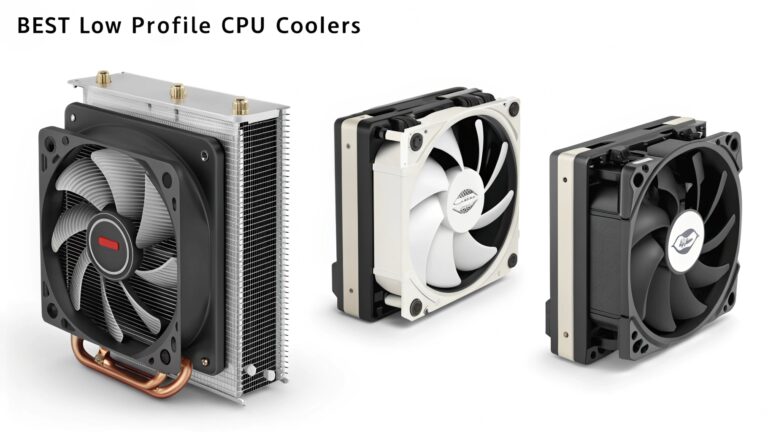
CPU Heatsink Low Profile – Reduce CPU Heat
In today’s world computers are becoming smaller and more powerful but this combination brings a hidden challenge: heat management. When a processor works hard in a compact system it produces heat that can quickly affect performance and lifespan.
This is where a CPU Heatsink Low Profile becomes essential. Unlike tall or bulky coolers a CPU heatsink low profile is designed to fit in tight spaces while efficiently moving heat away from the processor. It ensures stable temperatures, quiet operation and long term protection for your CPU.
For anyone building a small form factor PC office system or home media setup, understanding and using a CPU heatsink low profile is key to maintaining reliable performance and preventing overheating before it starts.
When your PC has little space but your processor works hard the right cooling choice decides its safety and life.
What Is Low Height CPU Cooling?
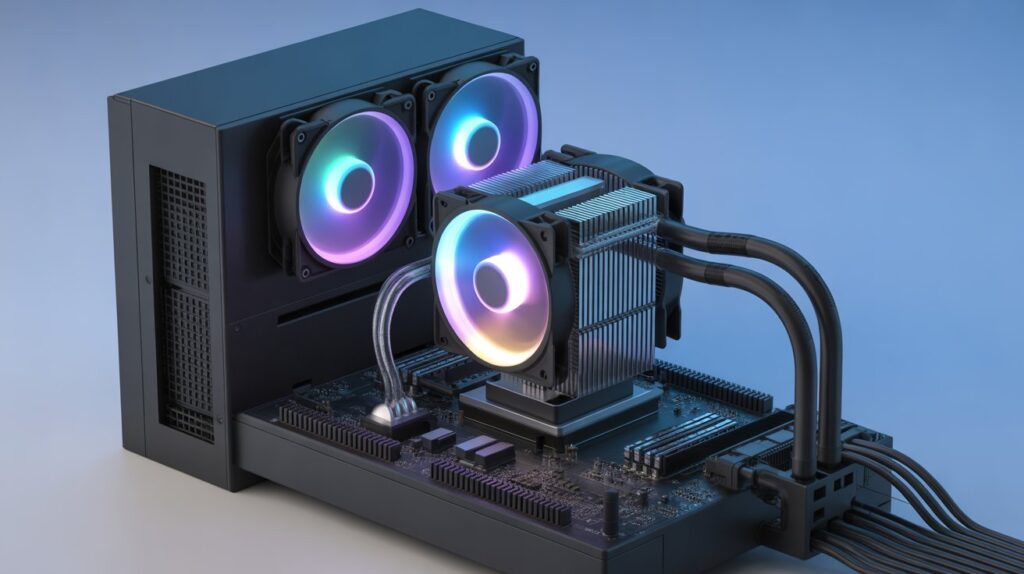
Low-height CPU cooling is designed for computers where space inside the case is limited. Many modern systems are small, slim or compact and they cannot support tall cooling solutions. This type of cooling focuses on keeping the processor temperature under control without using extra height.
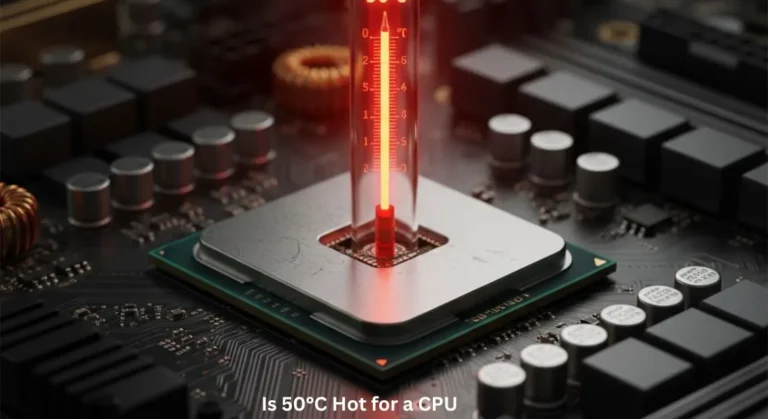
Heat is a normal part of CPU work. Even simple tasks like browsing office work or watching videos create heat. If that heat stays trapped the processor slows down and becomes weak over time.
Low height cooling exists to solve this problem in a smart way. Instead of relying on size it uses better airflow, wide heat fins and close contact with the CPU surface. This helps protect the processor while keeping the system quiet and stable.
How a CPU Heatsink Low Profile Works
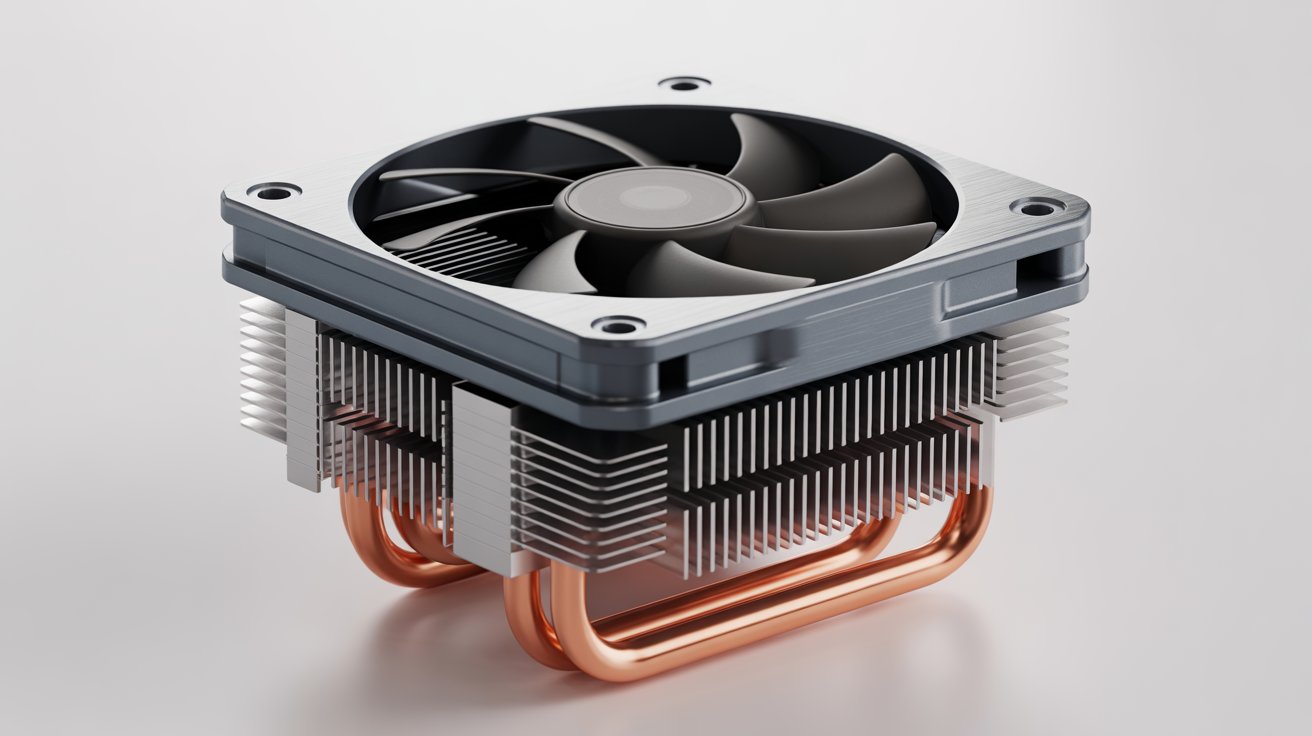
A cpu heatsink low profile works by moving heat away from the processor as fast as possible. It sits directly on top of the CPU and absorbs heat through its metal base. Once heat enters the heatsink.
It spreads across thin metal fins. A flat wide fan pushes air through these fins and carries the heat out into the case airflow. This keeps the CPU temperature balanced even in tight spaces. The design is simple but effective.
It focuses on steady cooling instead of extreme performance which is ideal for small and medium systems.
Why Small PC Builds Need a CPU Heatsink Low Profile
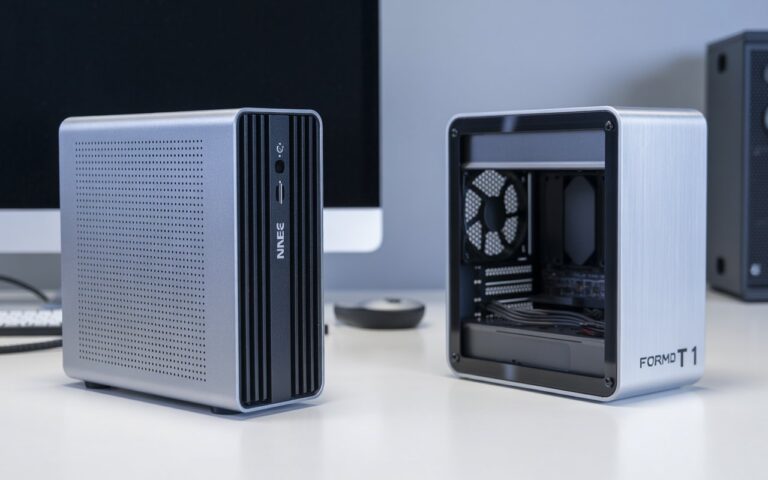
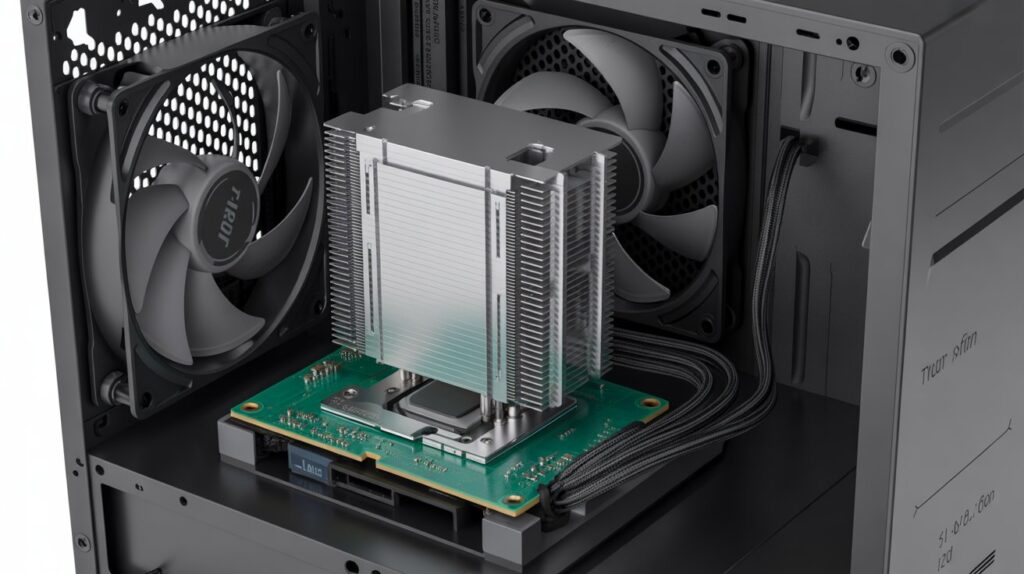
Small PC cases have limited airflow. There is less room for air to move and heat can build up quickly. Using a tall cooler in such cases is either impossible or unsafe. A cpu heatsink low profile fits perfectly in compact builds.
It avoids touching RAM sticks, side panels or power cables. This keeps the system clean and well organized. For Mini ITX PCs slim desktops and home theater systems this type of heatsink is often the only reliable cooling option.
Key Parts Inside a CPU Heatsink Low Profile
Understanding the parts helps you trust its performance.
Base Plate
This part touches the CPU directly. It collects heat and sends it upward into the heatsink.
Heat Fins
These thin metal layers increase surface area. More surface area means heat leaves faster.
Low Profile Fan
The fan is thin but wide. It moves air smoothly without making loud noises.
All these parts work together to protect the processor from heat stress.
Cooling Performance in Daily Use
A cpu heatsink low profile is built for daily stability not extreme overclocking. It performs very well for normal and moderate workloads.
You can expect:
- Stable CPU temperatures
- Smooth system performance
- No sudden overheating
For office work, study media use and light gaming it provides reliable cooling without stress.
Problems Caused by Poor Cooling in Compact PCs
When cooling is weak several problems appear:
- CPU slows down automatically
- System becomes noisy
- Random shutdowns occur
- Processor life shortens
A cpu heatsink low profile prevents these issues by keeping heat under control in a safe and balanced way.
How to Choose the Right CPU Heatsink Low Profile
Choosing the correct model is important. Before buying check:
- CPU socket compatibility
- Maximum cooler height allowed by the case
- Fan noise level
- Build quality
A good cpu heatsink low profile should fit easily and work silently for years.
Installation Experience and Fit Safety
Installing a low profile cpu heatsink is usually simple even for beginners. Its small size makes handling easy.
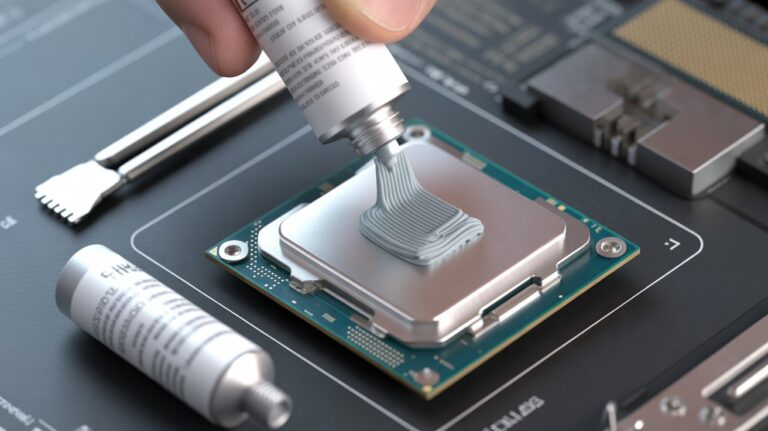
Most models include clear mounting systems and thermal paste. Once installed it leaves enough space for RAM and cables reducing future problems.
Noise Control and Power Efficiency
Big coolers often rely on fast fans which create noise. Low-profile designs focus on airflow efficiency instead.
Benefits include:
- Quiet operation
- Lower fan speed
- Less power usage
This makes a cpu heatsink low profile ideal for quiet environments like offices and homes.
Who Should Use a CPU Heatsink Low Profile
This cooling solution is best for:
- Small form factor PC users
- Office and home systems
- Media and streaming PCs
- Budget friendly builds
If space is limited and safety matters a cpu heatsink low profile is the right choice.
FAQs
Is low profile cooling enough for normal CPUs?
Yes it easily handles daily and moderate workloads.
Does it help extend CPU life?
Yes stable temperatures reduce long-term damage.
Is installation difficult for beginners?
No most designs are simple and beginner-friendly.
Can it reduce fan noise?
Yes it runs quieter than many large coolers.
Is it suitable for warm climates?
Yes with proper airflow it works well in hot weather.
Conclusion
A cpu heatsink low profile is a practical and reliable cooling solution for compact systems. It protects the processor from heat, keeps performance stable and fits perfectly where space is limited.
Instead of risking overheating with poor airflow this smart design ensures long term safety, quiet operation and peace of mind. For small PCs it is not just an option it is a necessity.