Best Thermal Paste for 9800x3d – Protect CPU
Thermal paste plays a critical role in keeping high performance processors cool and safe. It improves heat transfer between the CPU and the cooler by eliminating microscopic air gaps that trap heat.
For powerful processors like the 9800X3D the right thermal paste is essential to prevent overheating, performance throttling and long term hardware damage during heavy workloads.
This article explores why thermal paste matters, how it protects the 9800X3D and how choosing the right one can prevent overheating and performance loss.
What Is Thermal Paste
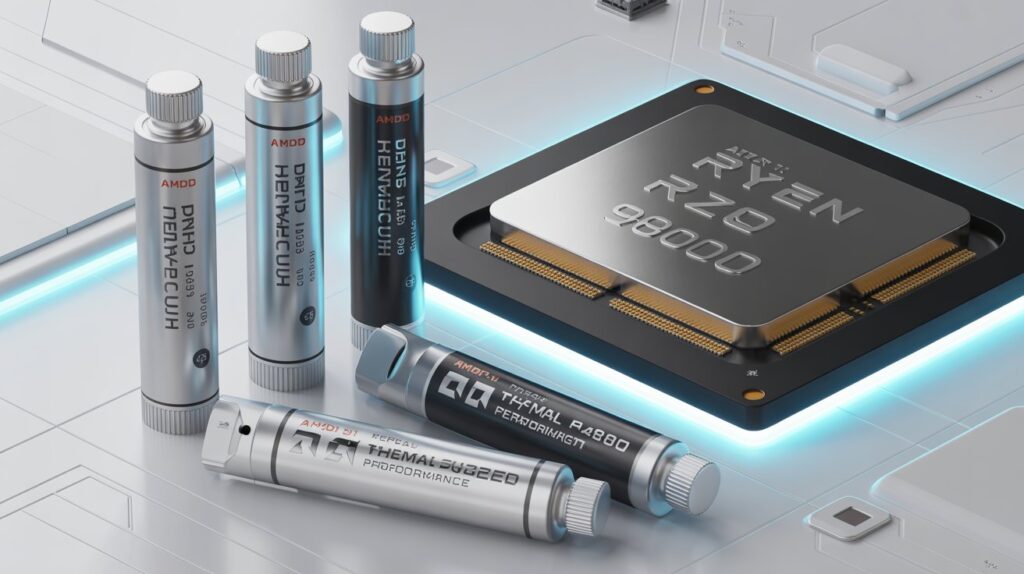
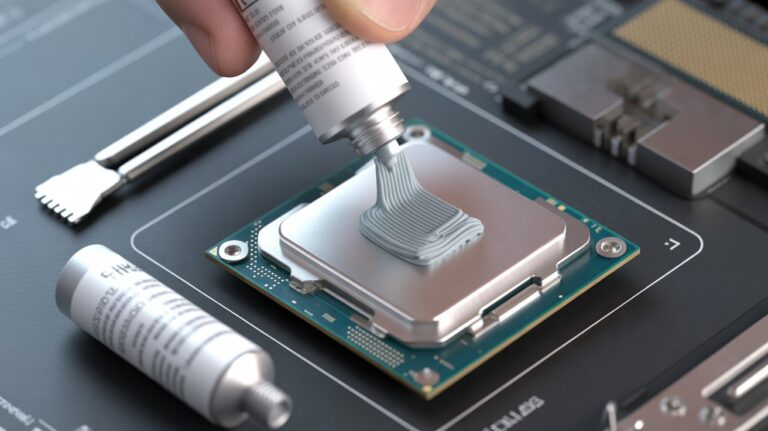
Thermal paste is a specially designed material that sits between your CPU and the cooler. Its main function is to fill microscopic gaps on the CPU surface that are invisible to the naked eye. These gaps if left empty trap heat and prevent efficient cooling.
Without thermal paste the heat generated by a high performance processor like the 9800X3D would stay concentrated causing higher temperatures potential performance throttling and long term damage.
Why It Matters
The importance of thermal paste lies in its ability to protect the CPU from overheating. It ensures smooth heat transfer, prevents sudden spikes in temperature and maintains.
Consistent processor performance even under intense workloads such as gaming or video rendering. For high end CPUs the right paste can be the difference between stable performance and hardware failure.
How Does Thermal Paste Protect Your Processor
Thermal paste works by creating a bridge between the CPU and the heat sink. The metal contacts on the CPU are not perfectly flat and microscopic air pockets form when the cooler is mounted directly. These air pockets act as heat insulators which prevent proper heat transfer.
By filling these gaps thermal paste allows heat to flow quickly into the cooler. For the 9800X3D which produces a lot of heat during heavy operations thermal paste is critical. Without it heat can accumulate causing the CPU to throttle, lose efficiency or even get permanently damaged.
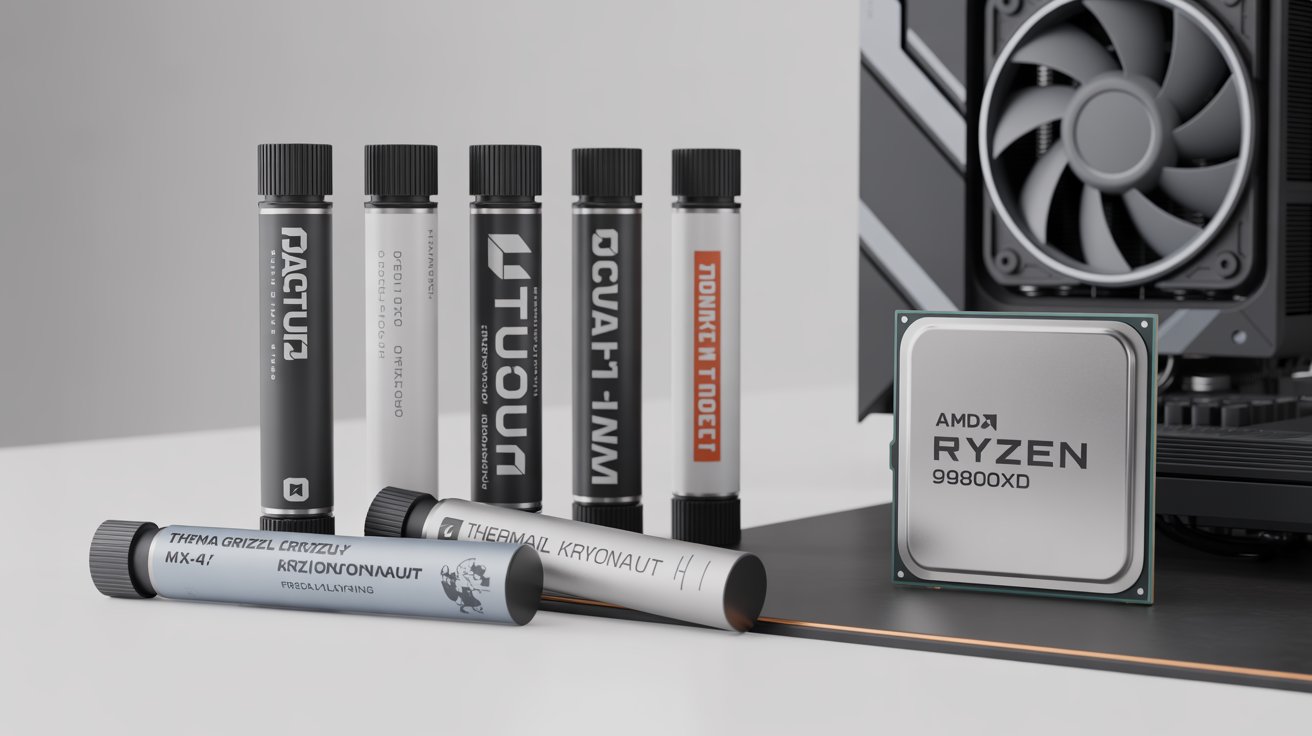
Best Thermal Paste for 9800x3d
When selecting the best thermal paste for 9800X3D there are several characteristics to consider: high thermal conductivity, long lasting performance and stability under extreme temperatures.
The 9800X3D produces high levels of heat due to its advanced architecture and multiple cores. Using a high quality paste ensures that this heat moves efficiently to the cooler maintaining performance and preventing hidden damage.
Comparison of Popular Thermal Pastes
| Thermal Paste Type | Thermal Conductivity | Durability | Best For |
| Metal Based | 8–13 W/mK | 3–5 years | High end gaming overclocking |
| Ceramic Based | 4–8 W/mK | 2–4 years | Everyday use safe application |
| Carbon Based | 5–10 W/mK | 3–5 years | Balanced performance and durability |
| Silicone Based | 0.5–3 W/mK | 1–2 years | Budget CPUs light usage |
This table shows that metal and carbon based pastes are generally the most effective for the 9800X3D while ceramic is safer for beginners.
Why AMD 9800X3D Runs Hot
The Ryzen 9800X3D is a high performance CPU designed for gaming and multitasking. Its 3D V Cache architecture increases speed and performance but also generates significant heat.
High core count and advanced processing capabilities mean the CPU works harder producing more thermal energy. Even with excellent cooling heat management becomes essential because the CPU can reach dangerous temperatures quickly under sustained load.
The 9800X3D is powerful but without proper heat transfer mechanisms like high quality thermal paste this heat can accumulate and affect both performance and longevity.
Common Cooling Problems in High End CPUs
High end CPUs including the 9800X3D face several cooling challenges:
- Overheating: Heat builds up quickly especially during gaming or rendering tasks.
- Thermal Throttling: CPU reduces its speed to prevent damage lowering performance.
- Fan Noise: Cooling fans spin faster when heat rises creating louder noise.
- Inefficient Heat Transfer: Even with a strong cooler, poor thermal paste can prevent proper heat removal.
- Dry or Old Paste: Thermal paste loses effectiveness over time increasing CPU temperature.
These problems highlight why proper thermal paste selection is critical for maintaining consistent CPU performance.
How to Choose a Strong Thermal Paste
When selecting a thermal paste for the 9800X3D focus on the following characteristics:
- Thermal Conductivity: High conductivity ensures heat moves quickly from CPU to cooler.
- Longevity: Some pastes dry out faster. Long lasting paste maintains performance over years.
- Compatibility: Ensure the paste works with high end CPUs and modern coolers.
- Performance Under Load: Heavy gaming or video editing creates more heat so paste must remain stable.
Using the right paste reduces CPU temperature spikes and keeps your 9800X3D running at peak performance consistently.
Types of Thermal Paste Explained
Thermal paste comes in different types each with unique characteristics:
Metal Based Paste
- High thermal conductivity
- Excellent for overclocking
- Can be risky if applied incorrectly
Ceramic Based Paste
- Moderate thermal conductivity
- Safer and easier for beginners
- Suitable for everyday use
Carbon Based Paste
- Balanced thermal performance
- Durable over time
- Works well for high end gaming CPUs
Silicone Based Paste
- Low thermal conductivity
- Best for light workloads
- Affordable but short lived
Each type is designed for different needs and high performance CPUs like the 9800X3D benefit most from metal or carbon based pastes.
How to Apply Thermal Paste the Right Way
Thermal paste is most effective when applied evenly. Even microscopic air gaps can reduce heat transfer. The CPU and cooler surfaces must be clean before application. Too much paste can block heat flow while too little may not cover the surface adequately.
For CPUs like the 9800X3D precise application ensures maximum cooling efficiency and prevents hidden heat from damaging the processor.
Mistakes People Make With Thermal Paste
Common errors include:
- Applying too much paste which can reduce heat transfer efficiency
- Using low quality or expired paste
- Forgetting to clean old paste before applying new
- Relying solely on the cooler while ignoring paste quality
Even a powerful cooler cannot compensate for poorly applied or low quality thermal paste especially on high end CPUs.
How Long Does Thermal Paste Last
Thermal paste longevity varies depending on type and usage:
| Type | Average Lifespan | Performance Notes |
| Metal Based | 3–5 years | Maintains high conductivity over long time |
| Ceramic Based | 2–4 years | Safe but may dry faster under heavy load |
| Carbon Based | 3–5 years | Balanced durability and performance |
| Silicone Based | 1–2 years | Short lifespan best for light use |
High workloads gaming or overclocking can reduce lifespan. Monitoring CPU temperature trends is the only way to know when replacement is necessary.
FAQs
Can thermal paste improve FPS in gaming?
No thermal paste does not increase FPS directly but it keeps your CPU cool which prevents throttling and maintains stable performance.
Is it safe to mix different thermal pastes?
No mixing pastes can reduce effectiveness and may cause overheating or damage to your CPU.
How often should I check my CPU temperature?
Checking once a month is enough for normal users but heavy gamers or editors may check weekly.
Can a cooler work without thermal paste?
It can but heat transfer will be poor causing high temperatures and potential CPU damage over time.
Does thermal paste affect GPU temperature too?
Yes if applied on a GPU chip it improves heat transfer but CPU and GPU pastes should not be mixed.
Conclusion
Choosing the right thermal paste for the 9800X3D is essential for maintaining high performance and protecting your processor. A good paste ensures heat moves efficiently preventing overheating and hidden damage.
Even the best cooler cannot replace the role of quality thermal paste. By understanding types of application and lifespan you keep your CPU stable, powerful and long lasting under heavy workloads or gaming sessions.
Also Read:-