T1 v1.1 vs 2.1 – Find Best
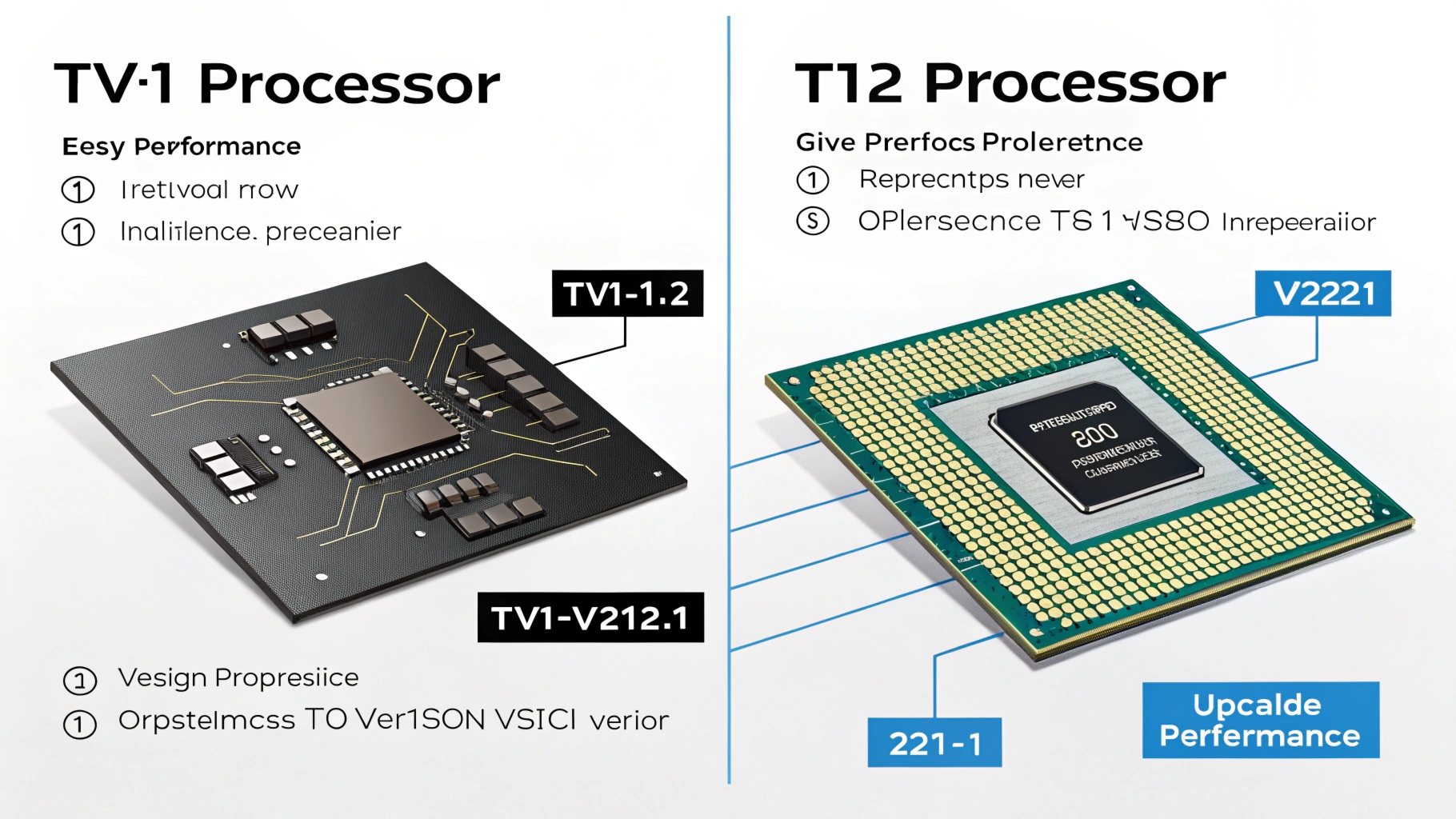
After comparing T1 v1.1 and 2.1 the difference is protection and cooling. Version 2.1 improves airflow heat control and stability helping your processor stay safe during long and heavy use.
T1 v1.1 is good but 2.1 gives stronger thermal balance and better safety. If your goal is to protect your processor and keep performance steady the smarter choice becomes clear.
In this article we will study the real differences between t1 v1.1 vs 2.1 how cooling and airflow improve and how these changes help protect your processor and keep performance stable.
What Is T1 v1.1 vs 2.1
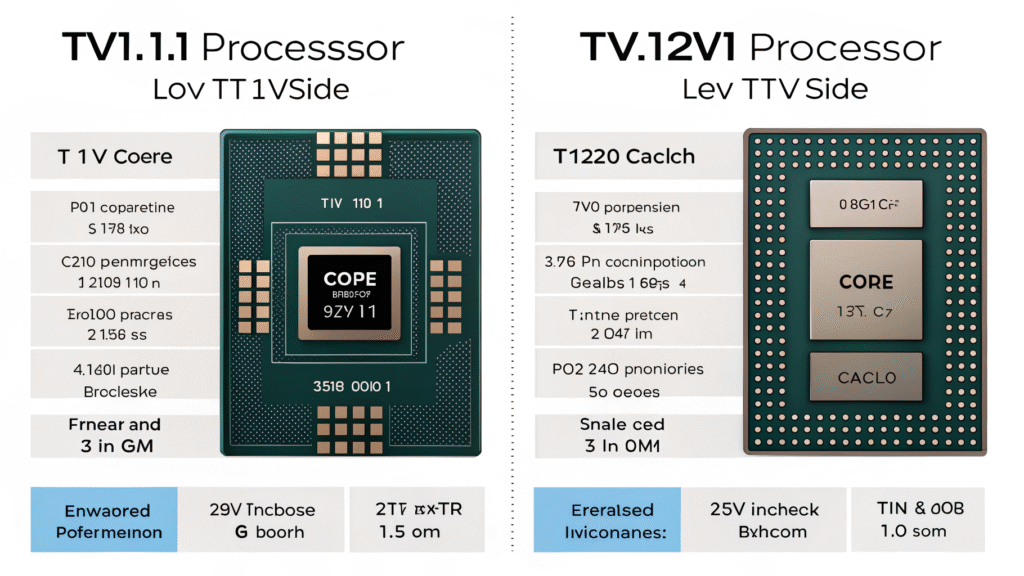
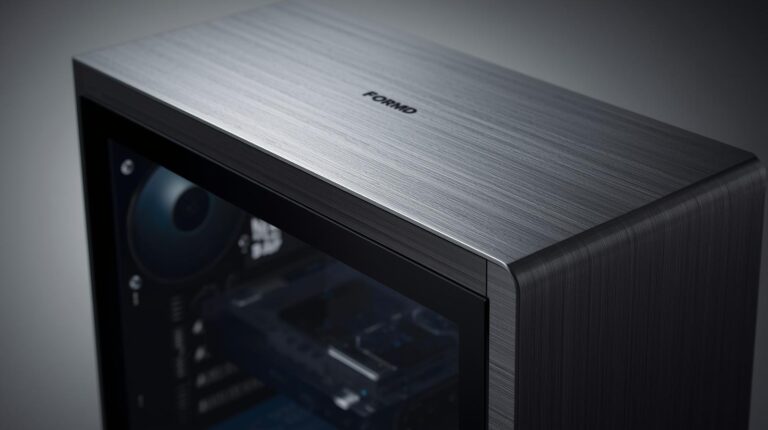
T1 v1.1 and T1 v2.1 are two versions of the same small form factor PC case. Both are built for compact systems where space is limited but performance matters.
The main difference is how each version handles airflow, heat and processor safety. While v1.1 is simpler, v2.1 introduces better design improvements. Both focus on giving your processor a stable environment, but v2.1 ensures better thermal balance and protection.
Why It Matters
In compact builds heat can accumulate quickly. Overheating reduces CPU performance and can damage components over time. By choosing the right version you can protect your processor and keep your system stable for longer periods.
Key Features Overview
- v1.1: Basic airflow standard cooling compact layout.
- v2.1: Optimized airflow improved ventilation stronger processor protection.
Main Difference Between T1 v1.1 vs 2.1
Some important difference between both are below:
Layout and Space
The first major difference is internal space. v2.1 has a more open and optimized internal layout allowing air to flow smoothly around the processor. v1.1 has a more cramped layout which can trap hot air.
Thermal Management
v2.1 improves cooling pathways for fans and components. It reduces heat build up which is especially important during long gaming or rendering sessions.
Impact on Processor
Design Changes in T1 v1.1 vs 2.1
Material and Frame
v2.1 uses slightly better materials and finishing. It feels sturdier and reduces vibrations. v1.1 is fine for light use but over time v2.1’s frame protects components better.
Component Positioning
v2.1 has an optimized internal layout that places key components away from hot spots. This ensures air flows freely protecting the processor from excess heat.
Ventilation
v2.1’s ventilation design is improved. Hot air is expelled faster keeping CPU temperatures low and improving long term stability.
Cooling and Airflow Comparison
| Feature | T1 v1.1 | T1 v2.1 | Benefit |
| Airflow | Basic | Advanced | Reduces hotspots |
| Heat Control | Moderate | Strong | Keeps CPU cooler |
| Fan Mounts | Standard | Optimized | Supports better cooling |
| Thermal Balance | Average | Stable | Processor runs safer |
| Ventilation | Limited | Improved | Better long term performance |
Analysis
v2.1 ensures smoother airflow around critical areas like the CPU and GPU. The better ventilation prevents heat accumulation keeping the processor protected even during extended heavy use.
Build Quality and Structure
Before you build it is necessary to understand about quality of structure
Durability
v2.1 has slightly stronger materials and improved structural support. This reduces vibrations and allows heavier components without stress.
Frame Design
The modular frame in v2.1 allows better component arrangement, giving fans more space to remove heat efficiently.
Long Term Safety
v2.1 reduces thermal stress on the processor. Its improved structure ensures stable temperatures helping your CPU last longer.
Performance and Thermal Stability
Stable CPU Performance
Lower heat in v2.1 prevents throttling. v1.1 can heat up faster, slowing down performance during heavy tasks.
Long Usage
During long gaming editing or rendering v2.1 maintains steady CPU temperatures reducing wear and tear.
Real Life Impact
A cooler processor lasts longer, avoids crashes and maintains consistent performance. v2.1 ensures that even under stress your CPU stays protected.
Compatibility and Hardware Support
Component Fit
v2.1 allows smoother installation of GPUs, RAM and storage drives without blocking airflow. v1.1 is limited in this regard.
Cooling Options
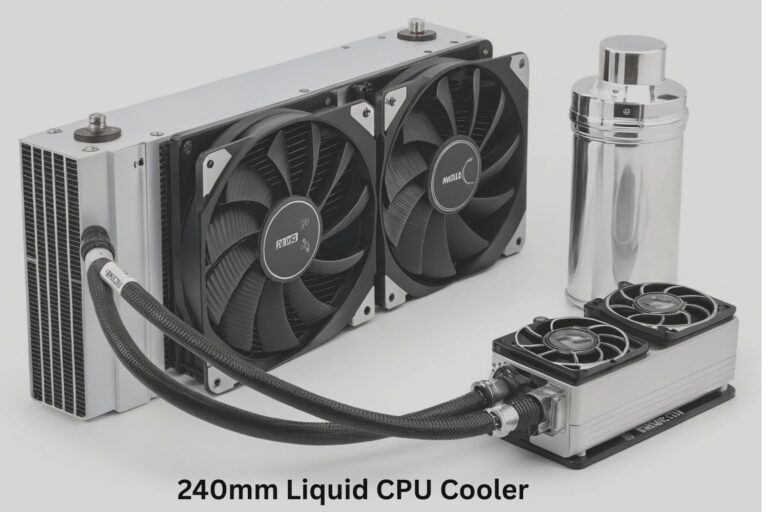
v2.1 supports more fan positions and liquid cooling setups giving you flexibility while keeping the processor safe.
Upgrade Potential
v2.1 is future proof for upgrades. Better space and airflow ensure your CPU remains protected even with new components.
Which Version Is Better for Long Use
Heat Management Over Time
v2.1 keeps temperatures lower during hours of use. v1.1 can build heat faster stressing the CPU.
Stability During Heavy Work
v2.1 maintains system stability. CPU performance remains steady without overheating.
Recommendation
For long work sessions heavy gaming or rendering v2.1 is the safer option to protect your processor and avoid slowdowns.
Common Problems and Solutions
| Problem | Cause | Solution | Better Version |
| Heat Build Up | Limited airflow | Optimized fan placement | v2.1 |
| Thermal Stress | Poor heat control | Better cooling paths | v2.1 |
| Component Fit | Tight internal space | Modular layout | v2.1 |
| Airflow Blockage | Weak ventilation | Redesigned vents | v2.1 |
| CPU Throttling | High temperature | Stable airflow | v2.1 |
Explanation
The table shows common issues in compact builds and how v2.1 solves them. Better airflow and thermal balance reduce processor stress, improve longevity and prevent slowdowns.
Which One Should You Choose
Choosing between T1 v1.1 and T1 v2.1 depends on your usage, priorities and the importance of processor protection. Let’s break it down in detail.
Light Users
If you use your PC mostly for basic tasks like browsing watching videos or office work:
- Space efficiency: v1.1 is compact and fits easily in small setups.
- Lower cost: It’s more budget friendly than v2.1.
- Basic cooling: For light tasks the airflow is usually enough.
Example: If you only use your PC 3 to 4 hours a day for light office work or streaming v1.1 can be enough. Your processor will stay reasonably safe because it won’t generate extreme heat.
Heavy Users
If you plan on gaming video editing 3D rendering or long heavy workloads v2.1 is the smarter choice.
Key Advantages:
- Optimized airflow: Hot air leaves faster keeping the processor cool.
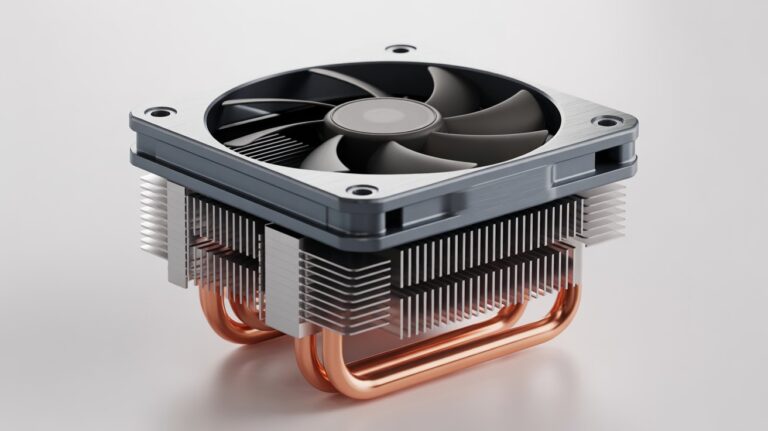
- Improved cooling support: More space for fans or liquid cooling systems.
- Thermal stability: Reduces CPU throttling maintaining consistent performance.
- Processor protection: Lower temperature reduces long term damage and extends CPU lifespan.
Example: Gamers running AAA titles or content creators editing 4K videos will notice faster system response fewer crashes and no thermal throttling with v2.1 compared to v1.1.
Upgrading Components
If you plan to upgrade your GPU CPU cooler or add more storage v2.1 is easier to work with.
- The modular internal design allows you to install new components without blocking airflow.
- v2.1 supports bigger GPUs and more fans without overheating issues.
- This flexibility helps keep the processor safe even after upgrades.
Real life Example: A user upgrading from a midrange GPU to a high end GPU may find that v1.1 does not allow proper airflow. This can lead to high CPU temperatures. v2.1 solves this with better layout and space.
Long Term Reliability and Processor Life
v2.1 does not just perform better it protects your processor in the long run.
- Stable temperatures reduce wear on CPU components.
- Less thermal stress means the CPU can last years longer.
- Reduced overheating means fewer unexpected shutdowns which safeguard your work and data.
Tip: If you want a PC that runs smoothly for 5+ years without CPU problems v2.1 is the safer choice.
When to Still Consider v1.1
There are situations where v1.1 is still suitable:
- You have a very tight budget and need basic functionality.
- You only use your PC for short tasks (1–2 hours at a time).
- You do not plan on upgrading components in the future.
Even in these cases remember that v1.1 provides less airflow and cooling support so heavy or long term usage can stress your processor.
FAQs
Can T1 v2.1 handle high-performance CPUs safely?
Yes it is improved airflow and cooling support help protect high performance processors during heavy tasks.
Is building a compact PC with T1 v1.1 difficult?
Not really but space is tighter so careful planning is needed to avoid airflow blockage.
Will T1 v2.1 reduce fan noise?
Yes the optimized airflow design allows fans to run more efficiently often reducing overall noise.
Can I use additional storage drives in these cases?
Both versions support extra drives but v2.1 provides more space without affecting airflow.
Does T1 v2.1 improve system longevity?
Yes lower CPU temperatures and better thermal balance help your system last longer.
Conclusion
After comparing T1 v1.1 and v2.1 it is clear that v2.1 offers better protection for your processor. Its improved airflow optimized layout and enhanced thermal stability keep the CPU safe during long and heavy usage. v1.1 can work for light tasks but v2.1 ensures consistent performance, fewer slowdowns and long term reliability.
For gamers, content creators or heavy users v2.1 is the smarter choice. Proper cooling and layout in v2.1 also allow future upgrades without compromising processor safety. Choosing v2.1 is a long term investment in both performance and durability.